The proof
Rebuilds we have already done
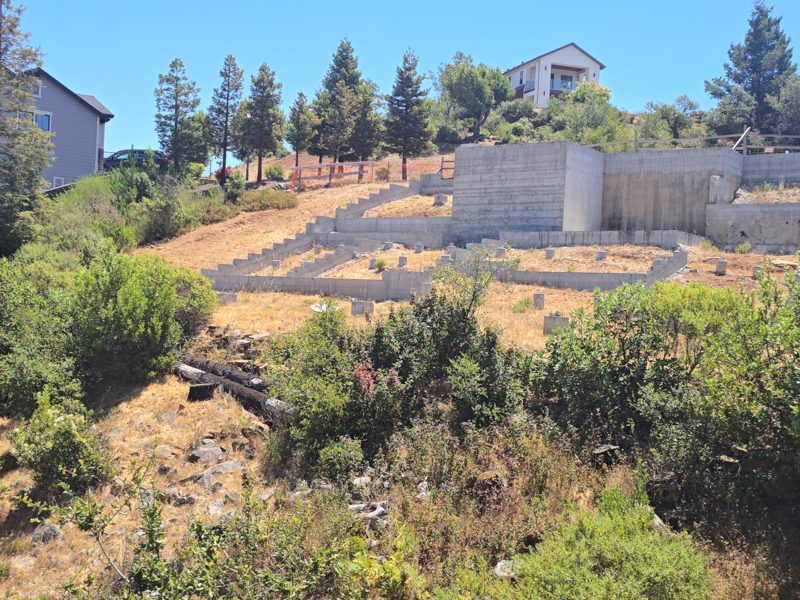
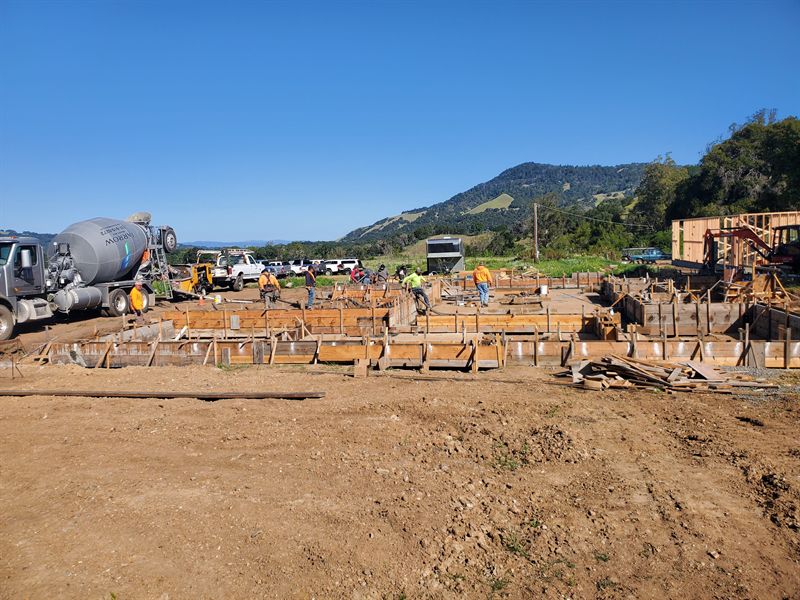
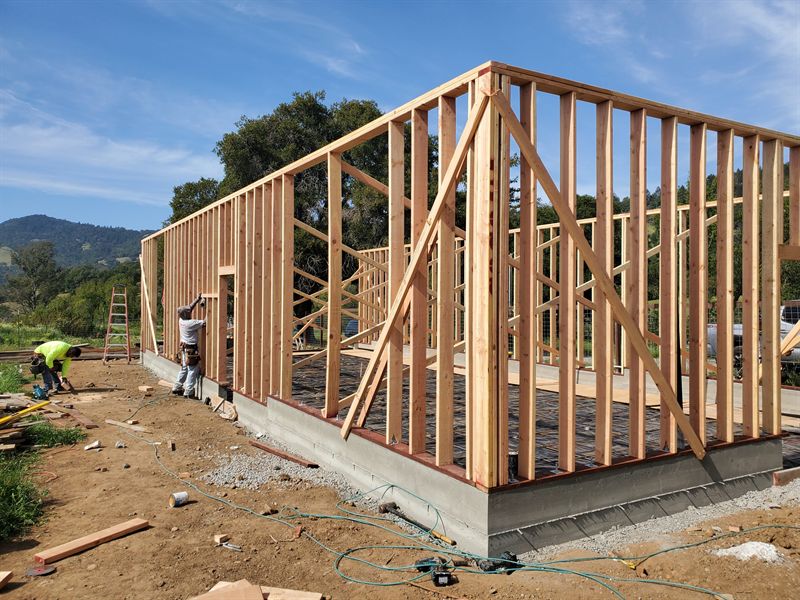
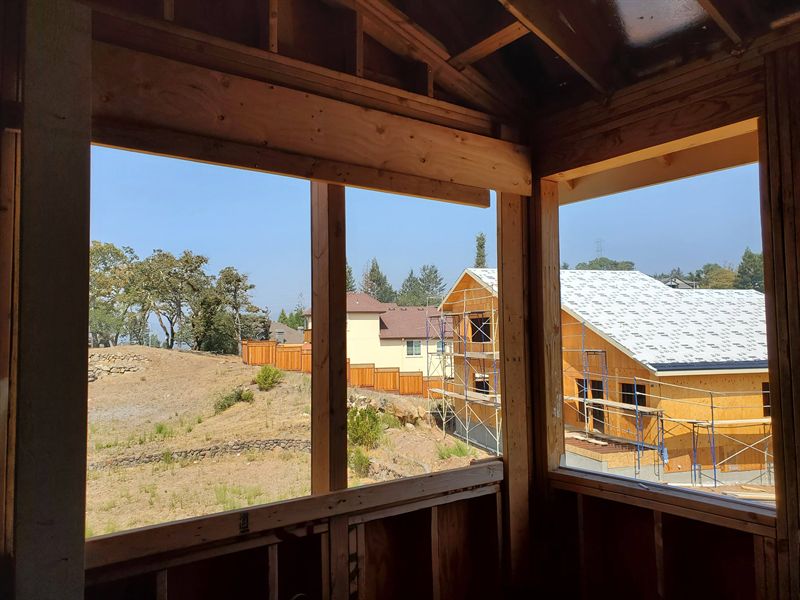
Sonoma County, after 2017. Every one of these started as a cleared lot.
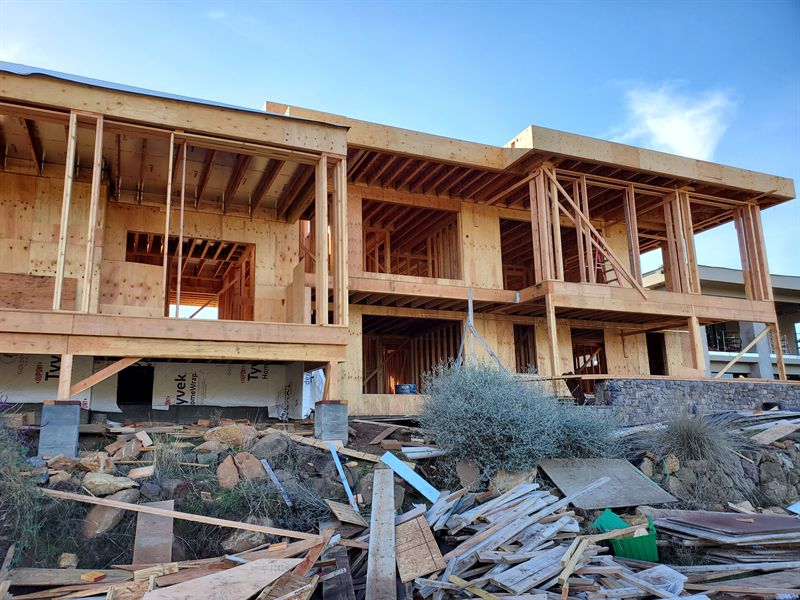
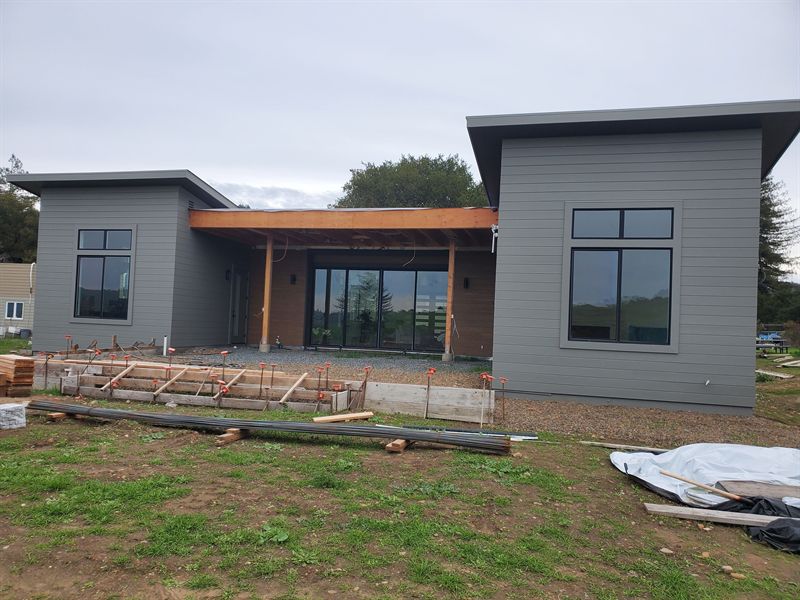
Rebuilding after a wildfire is not the same as building a house. The order of the work is different, the code is different, and there is an insurance claim running alongside the whole thing. We have been through it.
Start the conversationEvery rebuild is its own job, and the timing depends on your lot, your insurer and your jurisdiction. But the order rarely changes, and knowing the order is most of the job.
We walk the lot with you, look at what survived, and talk through what you want to end up with and what your policy is likely to support.
Debris removal and soil testing come before anything can be built. We work with whichever program or private contractor you are using and pick up from there.
Rebuild your original layout or change it. We coordinate with designers and engineers, and we will tell you early where a change will cost you time.
Plans, engineering and submittals, tracked until the permit is issued. Current fire-resistant construction requirements are designed in from the start, not patched in later.
Foundation through finish, with regular updates and photographs, so you can see progress whether or not you are living nearby.
Final inspection, a walkthrough of the finished work, and a punch list we actually complete.
All of us at Korson Homes lost our houses in the 2017 Tubbs Fire.
After the fire we ran private property debris removal in Sonoma County — our own equipment, on our own streets. This was the process we handed to homeowners at the time, and it has not changed much.
Walk the property and establish what is there, what is structural, and what has to be handled as hazardous.
Testing for toxic metals and asbestos before anything is moved. This governs everything that follows.
Private debris removal contracts submitted and approved, so the work is on the record from the start.
The clearing itself, with engineering consultation where the foundation is in question.
Soil sampled again once the lot is clear, and the report submitted.
The property clearance letter from the county. Until you have this, you cannot build.
If you are in Altadena, this probably does not apply to you. We drove the streets a few months ago and the Army Corps of Engineers signs were on very nearly every lot — the clearance there is largely finished, which is good news for your timeline. We have left the process here for two reasons. If your lot is one of the few still uncleared, we can do it. And because doing this work ourselves is where we learned how a fire job actually moves.
Anatoliy handled his own fire claim directly with the adjuster. He did not hire a public adjuster and he did not hire a lawyer, and he recovered his personal property losses.
That is our own experience, and we are glad to share what we learned from it: what an adjuster asks for, how a scope of loss lines up against a builder's estimate, why documenting everything early matters, and where people most often lose months.
What we do not do is negotiate your claim for you. In California that is regulated work and a contractor is not the right person for it. What we give you is an honest, itemized estimate you can take to your insurer, and straight answers when they ask about scope and cost. The claim stays yours.
It is the first thing you should ask, and you deserve a real answer rather than a reassuring one.
Yes. We relocate for the project.
We are general contractors and construction managers. We are not architects and we do not draw your plans — we read them, price them and tell you what will build well. We do not carry a large crew either. Apart from excavation, every trade on every job we have run since 1999 has been a subcontractor we hire, schedule and supervise.
That is how general contracting works, and it is exactly why the distance is not the obstacle it looks like. In Altadena we hire Los Angeles County subcontractors, the same way we hire Sonoma County subcontractors at home. Where a trade matters enough, we bring our own people down from Sonoma County — people we have worked with for years and who have already built houses after a fire.
What does not get subcontracted is the part you are actually hiring: the decisions, the scheduling, the inspections, the arguments with suppliers, and somebody standing on your lot every day who has done this after a fire before. For that, we move down for the duration. Not visits — we live where the job is.
Sonoma County, after 2017. Every one of these started as a cleared lot.
Whether you have a cleared lot and a settlement or you are still waiting on the first adjuster visit, the conversation is free and you will get a straight answer about what is realistic.